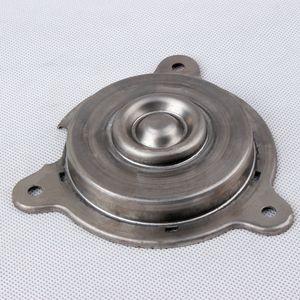
deep drawn parts die

Overview of Deep Drawn Parts Die
Deep drawn parts die represent a critical technology in the field of metal forming, where flat sheets of metal are transformed into intricate shapes through a process that involves both tensile and compressive forces. This approach is particularly favored for producing components used in industries like automotive, aerospace, and consumer goods.
The Deep Drawing Process
During deep drawing, a blank metal sheet is placed over a die cavity. The tool then presses down on the sheet to form it into the desired shape. This method not only enhances the strength of the material but also optimizes its structure by eliminating weak points often found in welded or cast components.
Key Stages in Deep Drawing
- Blank Preparation: The initial step involves cutting the metal sheet into the appropriate size, ensuring minimal waste during production.
- Die Setup: Proper alignment and calibration of the die are crucial for achieving precise dimensions and features.
- Drawing Operation: The punch moves downward, creating tension in the metal sheet, which gradually conforms to the die's shape.
- Finishing Operations: After the primary forming process, additional treatments such as trimming, machining, and surface finishing may be necessary.
Materials Used in Deep Drawing
The choice of material is paramount in deep drawing applications. Commonly utilized materials include:
- Stainless Steel: Known for its corrosion resistance and durability, stainless steel is frequently employed in food processing equipment.
- Aluminum: Lightweight yet strong, aluminum is often chosen for automotive and aerospace parts due to its excellent formability.
- Brass: With good electrical conductivity and aesthetic appeal, brass pieces are prevalent in decorative and electronic components.
Challenges in Deep Drawing
While the deep drawing process offers numerous advantages, it is not without its challenges. Issues such as wrinkling, tearing, and excessive thinning can arise if the parameters are not properly controlled. A skilled operator must carefully monitor factors including:
- Material Properties: Different alloys exhibit varying levels of ductility and strength.
- Process Parameters: Punch speed, lubrication, and die temperature can significantly impact the outcome.
- Die Design: An optimal die design minimizes defects while maximizing efficiency.
Applications of Deep Drawn Parts
Deep drawn parts find extensive applications across various sectors. For instance, in the automotive industry, they are used to manufacture fuel tanks, housings, and structural components. In consumer electronics, deep drawn metallic casings provide protection and aesthetic value.
Advancements in Technology
The evolution of deep drawing technology has led to the incorporation of computer-aided design (CAD) and computer-aided manufacturing (CAM) systems, which streamline the design and production process. Additionally, automation has improved precision and repeatability, reducing the likelihood of human error.
Quality Control in Deep Drawing
Ensuring the quality of deep drawn parts is an essential aspect of the manufacturing process. Regular inspections using techniques such as non-destructive testing (NDT) help identify any defects early on. Moreover, statistical process control (SPC) methods are employed to monitor processes and maintain consistency.
The Role of Sweetlove Toy in Deep Drawing
Brands like Sweetlove Toy have embraced deep drawing techniques to enhance their product offerings, utilizing these methods to create complex shapes while maintaining high standards for quality and safety. This reflects a broader trend within the industry, where innovative manufacturing methods continue to redefine product capabilities.
Conclusion
The utilization of deep drawn parts die stands as a testament to the advancements in metalworking technology. Its ability to produce lightweight, durable parts with intricate designs makes it invaluable to modern manufacturing.
Applications
Industrial Manufacturing
Suitable for various industrial manufacturing processes and automation systems.
Commercial Buildings
Perfect for commercial facilities requiring reliable and efficient solutions.
Machinery Equipment
Ideal for integration into various machinery and equipment systems.
OEM Projects
Customizable solutions for OEM and ODM project requirements.
Logistics & Warehousing
Optimized for logistics and warehouse management applications.
Energy Systems
Compatible with renewable energy and power distribution systems.